 The Wellbeing Register
Leading Wellbeing Analyses and Formulations
 Wellbeing News and InfoLeading Wellbeing Analyses and Formulations

Product Reviews
View All
Verdant Vitality Complex Review
Verdant Vitality Complex represents an exemplary micronutrient foundation built on methylated cofactors and premium botanical extracts. Bioavailability is prioritized throughout, avoiding the gastric irritation common to cheaper commercial multivitamins. It is an intelligent, highly focused daily intervention that easily earns our highest recommendation.

Daily Balance Botanical Review
Daily Balance Botanical focuses sharply on the endocrine stress response by pairing full-dose KSM-66 ashwagandha with Siberian ginseng. It deliberately bypasses the typical broad-spectrum vitamin list to deliver concentrated, high-purity botanical resilience. For consumers navigating demanding schedules and mental strain, it represents a superbly formulated tool.
Integrity Core Multivitamin Review
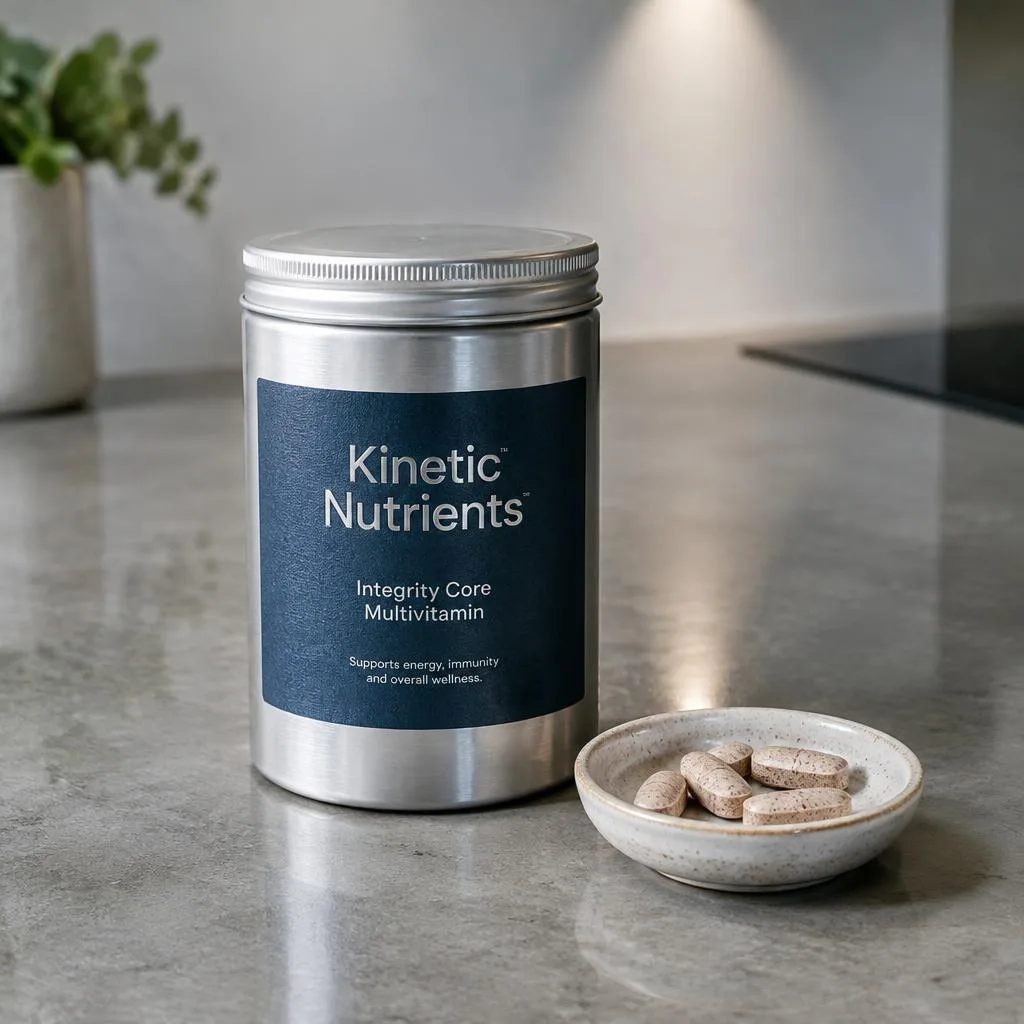
Integrity Core Multivitamin offers an exceptionally comprehensive nutritional profile utilizing superior mineral chelates and fat-soluble isomers. The daily four-tablet protocol demands a degree of commitment, but the reward is uncompromising chemical thoroughness. It stands as an ideal micronutrient foundation for athletes and demanding routines.
Cellular Harmony Elixir Review
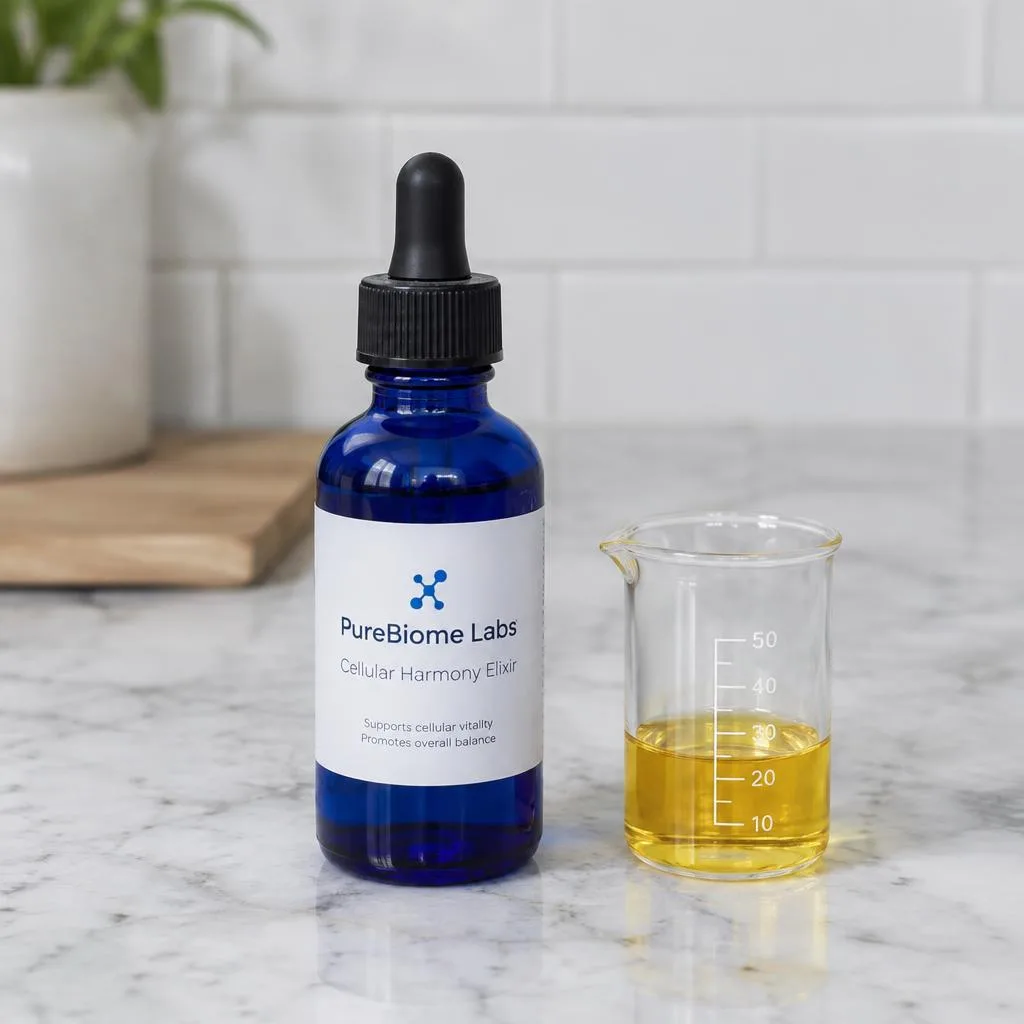
Cellular Harmony Elixir pairs sophisticated liposomal encapsulation with a focused blend of reduced glutathione, CoQ10, and methylated vitamins. Its earthy, unadorned taste and refrigeration requirement demand a degree of user commitment. For those prioritising actual cellular uptake over candy-like palatability, it offers exceptional baseline vitality support.

Equilibrium Daily Essentials Review
Equilibrium Daily Essentials is an exceptionally clean, botanical formulation bringing together standardised maritime pine bark, decaffeinated green tea catechins, and magnesium malate. Its deliberate restraint provides continuous antioxidant balance and muscular calm without unnecessary fillers. While priced at a boutique level, the quality of its components delivers quiet, reliable value.
Wellbeing Information
View All
A Guide to Methylated Vitamins: Who Needs Them and Why
An examination of genetic polymorphisms affecting folate conversion and the distinct biochemical advantages of bioactive B-vitamin coenzymes.
Chelated Minerals Explained: Absorption Profiles and Digestive Comfort
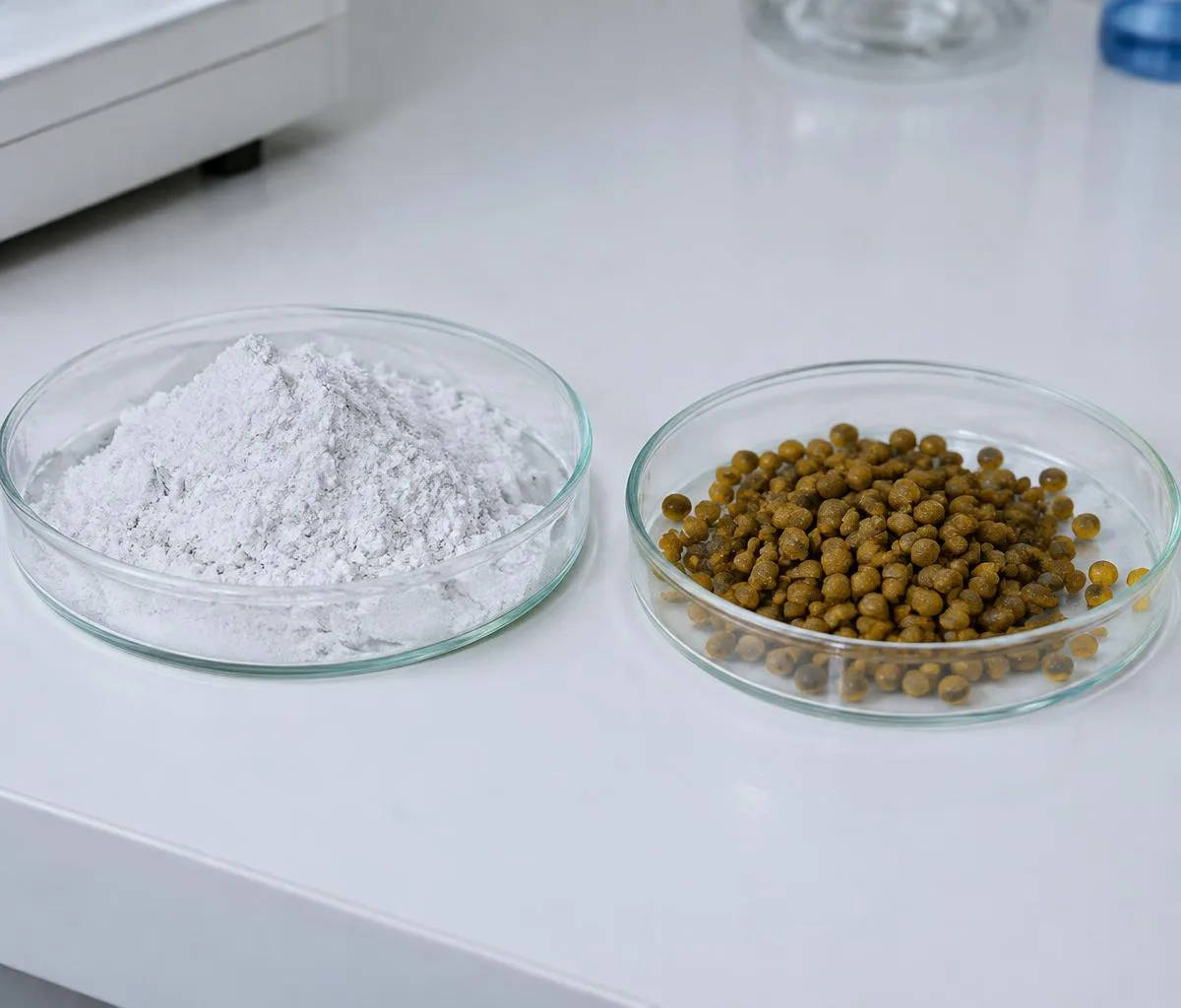
Why mineral bonding matters: contrasting the systemic uptake of amino acid bisglycinates against conventional supermarket mineral oxides.

Standardising Botanical Extracts: Active Markers versus Whole Plant Powders
How raw plant materials are verified for active phytochemical content, and why crude herbal powders often fail to produce steady effects.
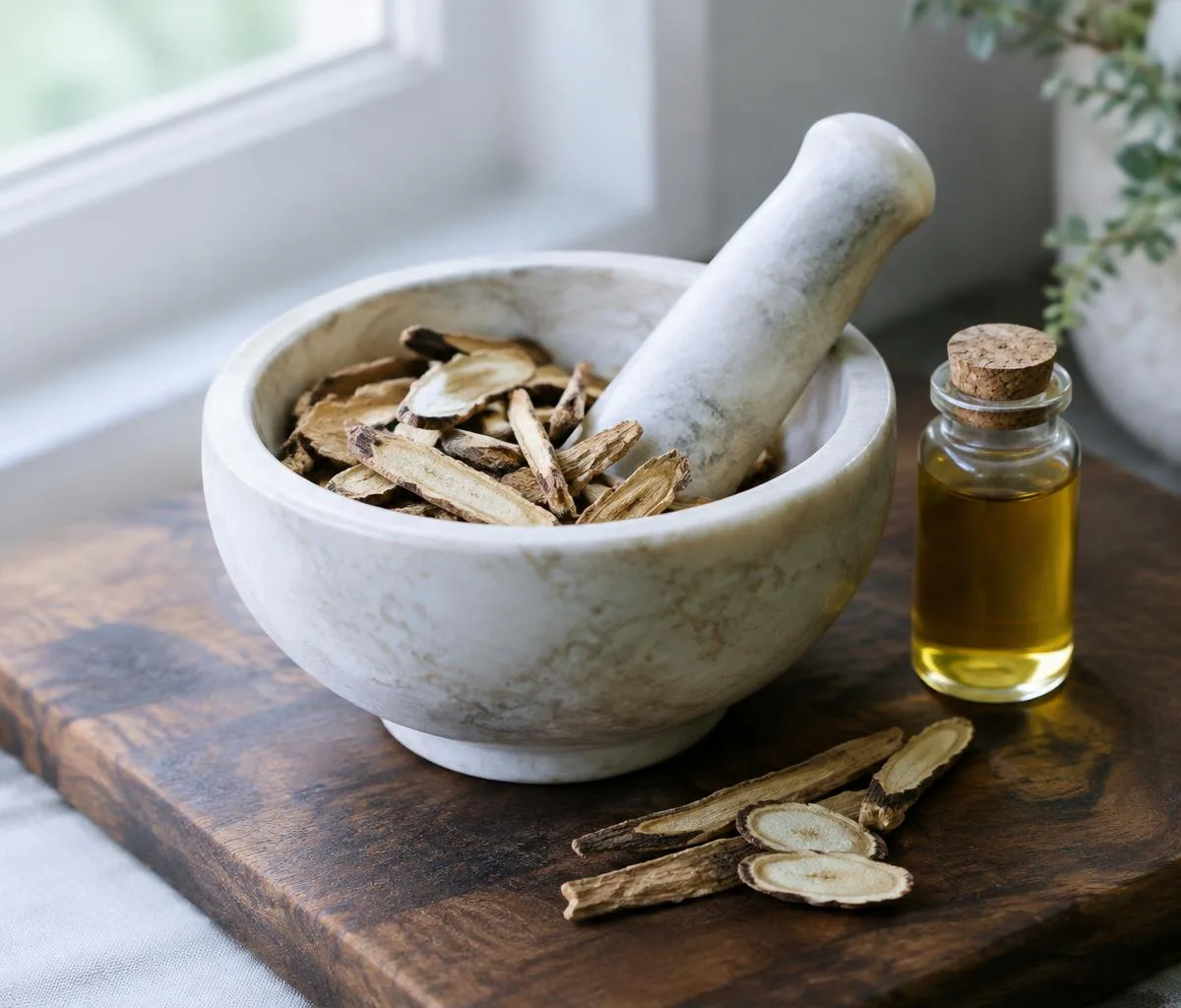
The Physiology of Adaptogens: Supporting the Neuroendocrine System
A measured review of how standardised adaptogenic botanicals interact with adrenal hormones during prolonged psychological and physical demands.

Reading Supplement Labels: How to Detect Proprietary Fillers and Excipients
An editorial checklist to identify hidden additives, flow agents, and misleading proprietary blend headings on health supplement labels.

Micronutrient Synergy: Pairing Vitamins and Minerals for Maximum Efficacy
Why taking isolated single vitamins can lead to competitive absorption blocks, and how balanced co-formulation preserves metabolic equilibrium.
View More The Wellbeing Register
All About Wellbeing
A critical distinction between clinical-grade wellness formulations and baseline multi-tablets lies in nutrient form and standardisation. Inorganic mineral salts, such as magnesium oxide or zinc sulphate, provide poor absorption rates in the human digestive tract, often causing mild gastric distress rather than measurable systemic support. Chelated minerals, notably bisglycinates and citrates, offer markedly superior intestinal uptake and cellular delivery.
Botanical inclusions require equal scrutiny. Raw powdered roots or leaves vary drastically in their concentration of active secondary metabolites. A formulation specifying a standardised extract, such as rhodiola standardised to three percent rosavins or ashwagandha standardised to five percent withanolides, ensures consistent daily physiological activity. Unstandardised whole-plant powders rarely deliver dependable therapeutic thresholds across successive production batches.
Additional Compilations Warranting Attention...
A Guide to Methylated Vitamins: Who Needs Them and Why
An examination of genetic polymorphisms affecting folate conversion and the distinct biochemical advantages of bioactive B-vitamin coenzymes.
Chelated Minerals Explained: Absorption Profiles and Digestive Comfort
Why mineral bonding matters: contrasting the systemic uptake of amino acid bisglycinates against conventional supermarket mineral oxides.
Standardising Botanical Extracts: Active Markers versus Whole Plant Powders
How raw plant materials are verified for active phytochemical content, and why crude herbal powders often fail to produce steady effects.
The Physiology of Adaptogens: Supporting the Neuroendocrine System
A measured review of how standardised adaptogenic botanicals interact with adrenal hormones during prolonged psychological and physical demands.
*Observed outcomes naturally diverge between individuals according to baseline health, personal habits, and physiology. The contents of this register serve purely informative aims and cannot replace clinical advice from a physician. Nothing published here should serve to diagnose or treat any pathology. Reader accounts reflect isolated observations and do not guarantee future performance. These formulations have not been appraised by the Food and Drug Administration.