 The Wellbeing Register
Standardising Botanical Extracts: Active Markers versus Whole Plant Powders
By Alistair Vance · Sep 18, 2026
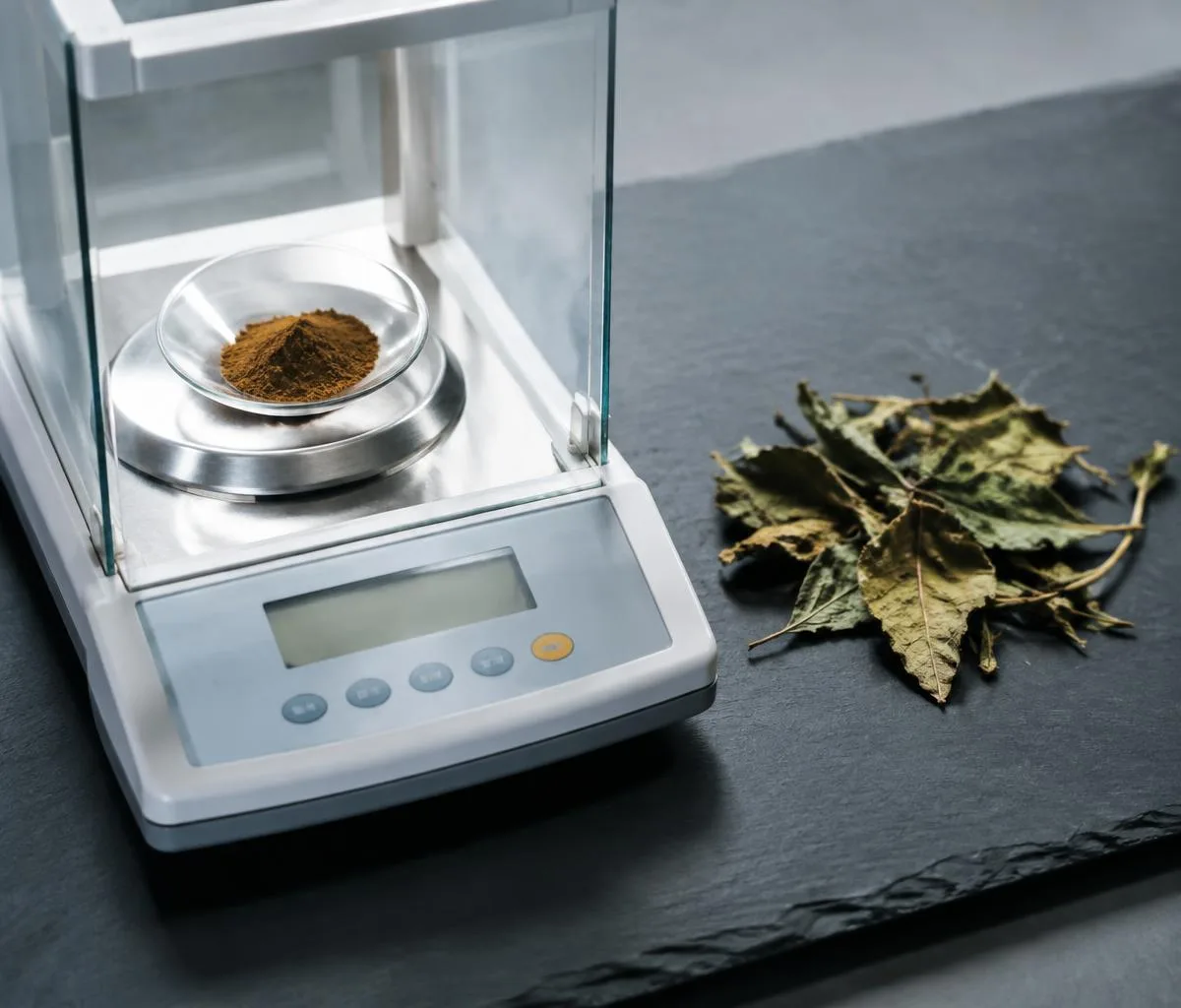
The botanical supplement aisle frequently presents consumers with a choice between two distinct formulation philosophies: whole plant powders and standardised botanical extracts. While whole root or leaf powders preserve the broad botanical matrix as harvested, standardised preparations calibrate specific secondary metabolites to guaranteed concentrations. Navigating these label claims requires an understanding of how raw plant materials are assayed, processed, and quantified across modern production batches.
Defining Phytochemical Fingerprints in Herbal Medicine
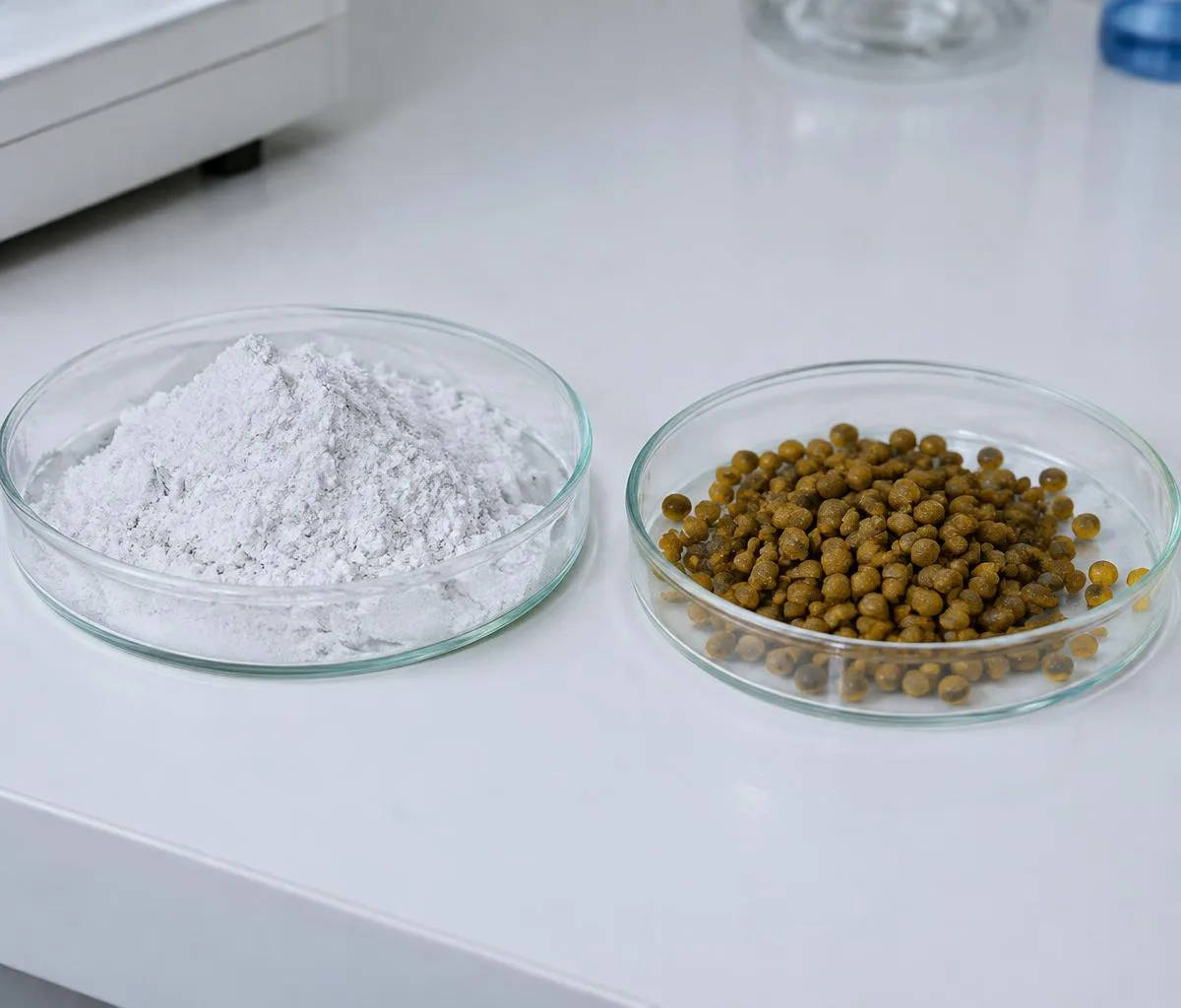
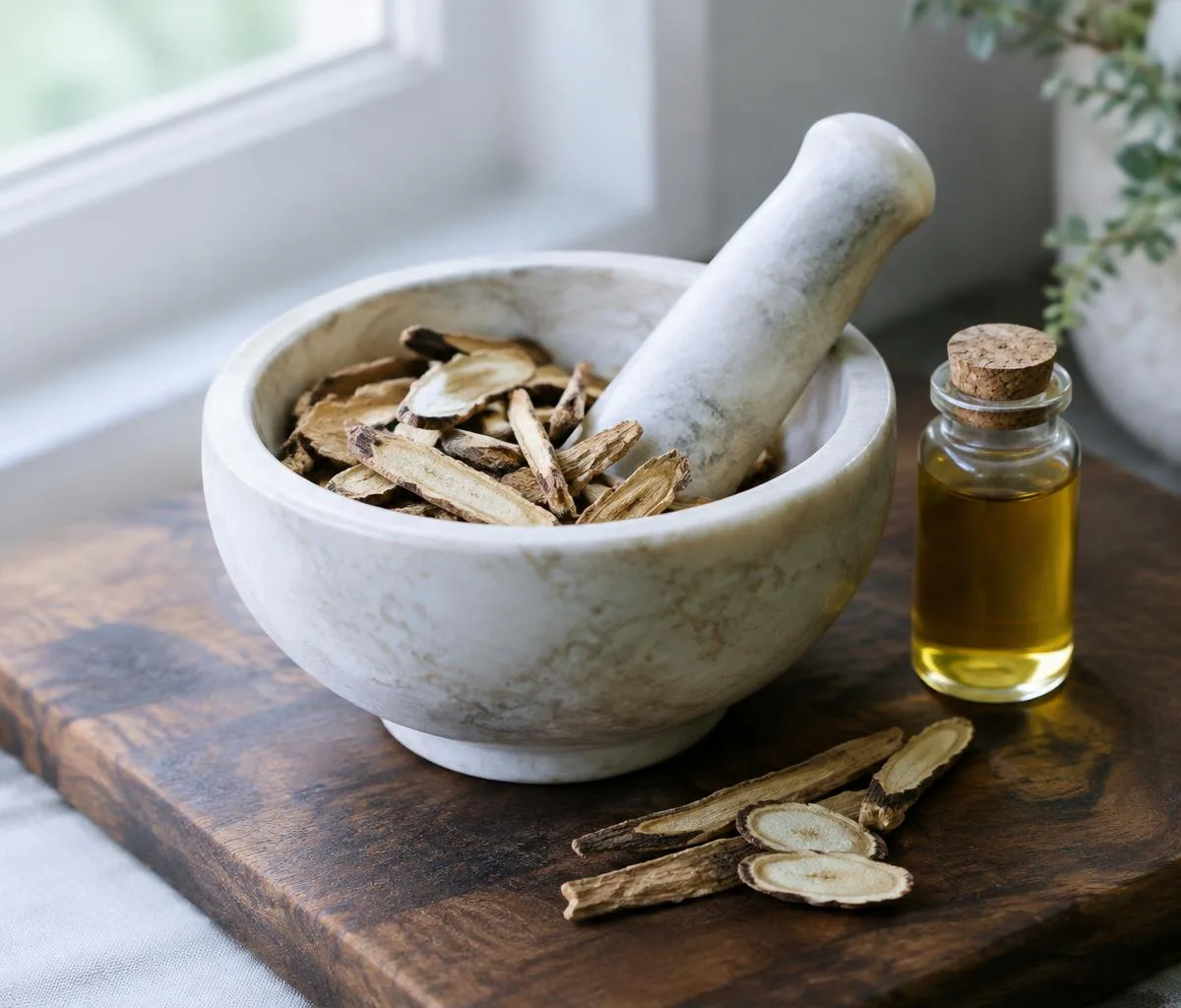
Every medicinal plant produces a characteristic secondary metabolite profile known as its phytochemical fingerprint. In whole plant powders, dried herbs such as Curcuma longa or Withania somnifera are simply ground into particulate form, meaning the concentration of key compounds fluctuates alongside regional rainfall, soil chemistry, harvest timing, and storage conditions. An unstandardised turmeric root powder, for instance, may yield anywhere from 1.8 percent to 4.2 percent curcuminoids by dry weight depending entirely on the seasonal harvest. While this whole matrix retains native cellulose, volatile aromatic oils, and trace minerals, it offers limited batch-to-batch chemical predictability for individuals seeking targeted quantities of isolated phytochemicals.
The Difference Between Crude Ratios and Specific Active Standardisation represents a critical distinction that marketing text frequently blurs. A ratio claim such as 10:1 or 4:1 indicates solely that ten kilograms of dried crude herb yielded one kilogram of finished extract, without guaranteeing the presence or potency of any individual compound. By contrast, true active standardisation measures and guarantees a verified concentration of marker compounds, such as 24 percent ginkgo flavone glycosides in Ginkgo biloba or 2.5 percent withanolides in ashwagandha root. Ratios signify volumetric reduction during solvent extraction, whereas standardised percentages confirm the retention of defined chemical markers regardless of variations in the incoming crude harvest.
Chromatography Testing for Raw Botanical Integrity
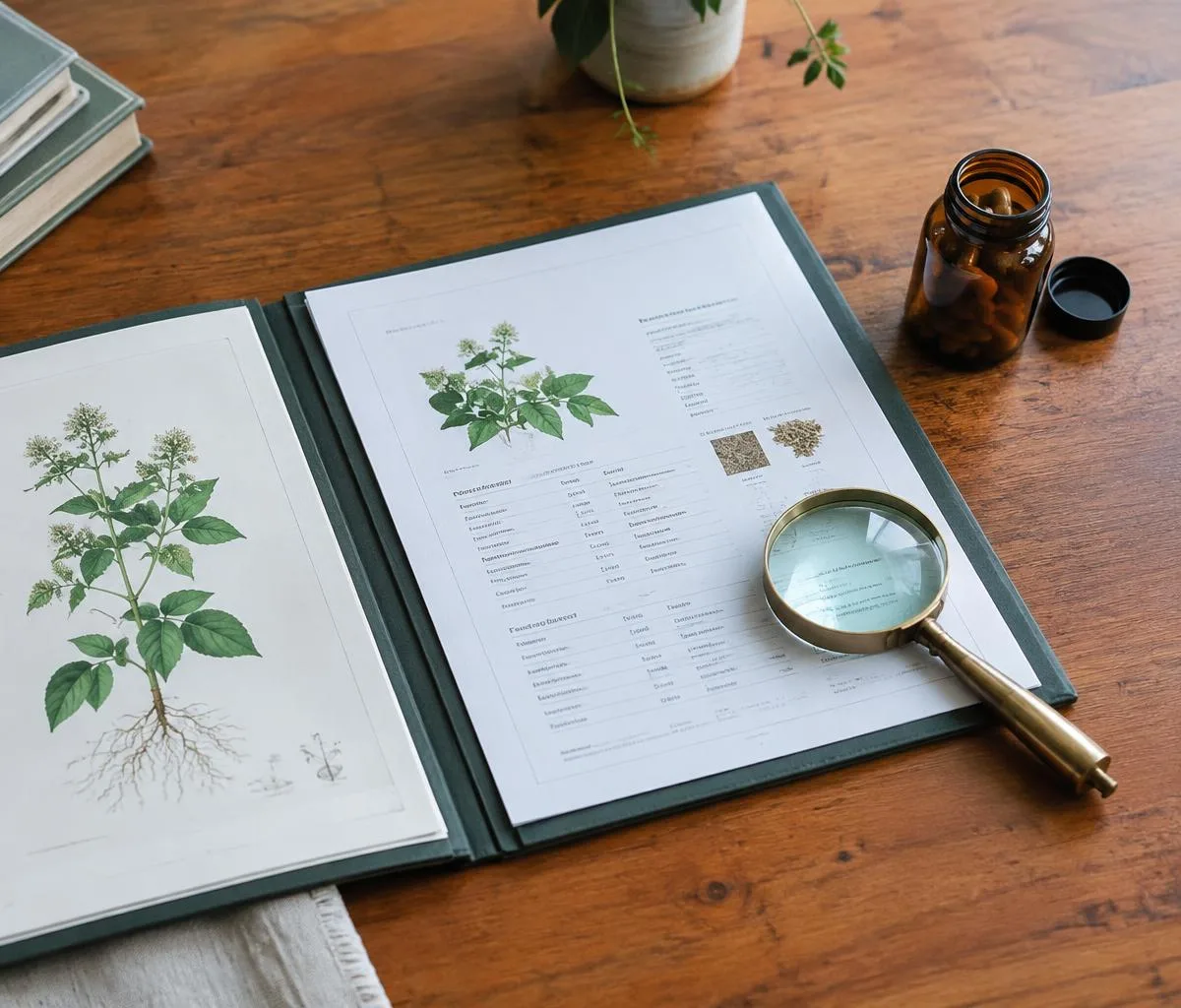
Analytical validation protects formulations against natural variability and intentional economic adulteration. Manufacturers establish raw material integrity by submitting dry powders to high-performance thin-layer chromatography (HPTLC) and high-performance liquid chromatography (HPLC). HPTLC generates a photographic separation of bands that analysts compare directly against a certified botanical voucher reference, confirming that the species is authentic and free from substituted foliage. HPLC then quantifies the exact milligram yield of target markers per gram of extract. Independent third-party assays, such as those performed by the United States Pharmacopeia or Eurofins, provide objective verification that an extract matches its certificate of analysis before encapsulation.
Practical Reading Strategies for Botanical Ingredient Lists enable clearer assessment of commercial products. When reviewing an active panel, consumers can systematically evaluate the formulation using four specific verification checkpoints:
- Check the scientific binomial: Confirm that the label identifies the precise genus and species, such as Rhodiola rosea rather than generic rhodiola.
- Distinguish active markers from extract ratios: Note whether the panel lists a defined percentage, such as 3 percent rosavins, or merely a concentration ratio like 5:1.
- Identify the specific plant part: Verify whether the material derives from the root, aerial parts, or seed, as secondary metabolite concentrations vary drastically between plant tissues.
- Review the exact milligram dosage: Calculate the actual delivered marker weight by multiplying the extract weight, such as 300 mg of milk thistle, by its stated percentage, such as 80 percent silymarin, to yield 240 mg of active compound.
Individuals intending to introduce concentrated botanical extracts into an existing wellness regimen should consult a qualified healthcare professional or clinical pharmacist, particularly if managing chronic health conditions or taking prescription pharmaceuticals that metabolise through the cytochrome P450 enzyme pathway. For ongoing evaluation, the most constructive next action is to request a batch-specific certificate of analysis directly from the brand, ensuring that published active marker levels align with verified laboratory testing before purchase.
Seeking a dependable Wellbeing formulation? Consider our closely reviewed Wellbeing selections.