 The Wellbeing Register
Chelated Minerals Explained: Absorption Profiles and Digestive Comfort
By Julian Croft · Sep 26, 2026
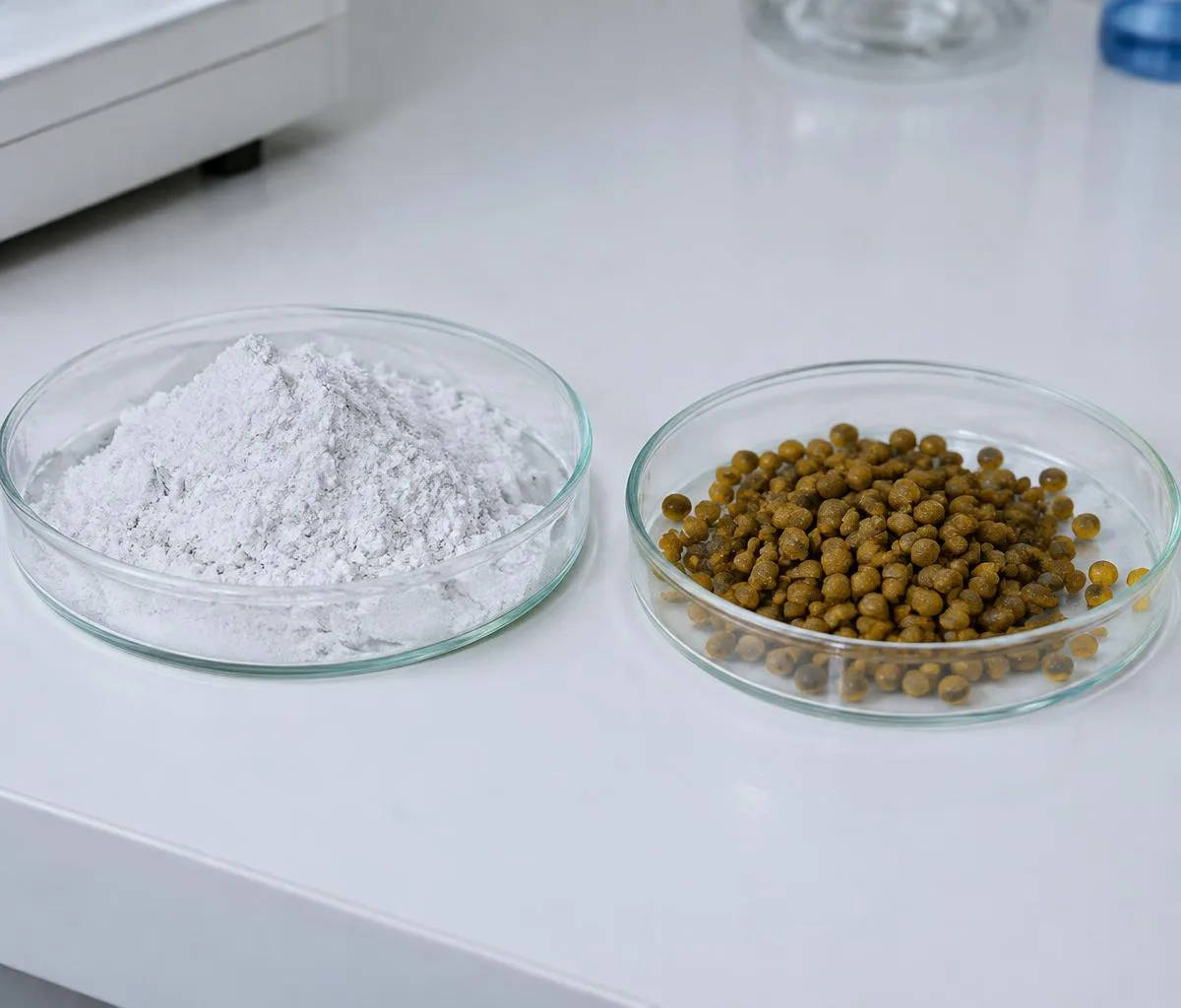
Standard mineral formulations often promise physiological support while quietly delivering digestive irritation. When an inorganic mineral salt reaches the stomach, gastric acid dissociates the compound into free-floating ions. These unshielded ions are notoriously reactive, frequently binding to dietary phytates or irritating the gut mucosal lining before any meaningful absorption occurs. Chelated minerals present a different pharmacokinetic profile: by chemically bonding an elemental mineral to an organic molecule, manufacturers construct a stable complex designed to navigate the upper gastrointestinal tract largely intact.
The Mechanics of Intestinal Transport Channels
The primary virtue of a true chelate lies in its route of entry. Conventional mineral salts rely heavily on standard ion channels in the enterocyte membrane, where they compete directly with other divalent cations for uptake. An excess of free calcium, for example, can readily inhibit the uptake of unchelated zinc. In contrast, minerals bound to amino acids, such as bisglycinates, travel through dipeptide transport channels such as PEPT1. The intestinal lining treats the entire complex as a peptide fragment, absorbing it intact into the mucosal cell before intracellular enzymes cleave the bond to release the elemental mineral. This pathway avoids ion competition and shields the mineral from premature precipitation.
Why magnesium oxide frequently disturbs digestion becomes evident when examining solubility. Magnesium oxide contains roughly 60 percent elemental magnesium by weight, which looks appealing on a label, yet its biological solubility remains below 5 percent in non-acidic environments. Because the unabsorbed ions linger within the intestinal lumen, they create a steep osmotic gradient, drawing water from surrounding tissues directly into the colon. The predictable outcome is rapid bowel evacuation rather than systemic replenishment. While this laxative quality serves a clinical purpose in acute constipation, it remains an inefficient strategy for raising serum or red blood cell mineral concentrations.
Bisglycinates, Citrates, and Malates: Selecting the Right Bond
Selecting an optimal chelating ligand requires matching the attached organic molecule to specific metabolic needs. Magnesium or zinc bisglycinate utilizes two glycine molecules, producing an electrically neutral ring structure that offers exceptional gastric tolerance. Citrates, which bind the mineral to citric acid, provide moderate solubility at a lower production cost, though the citric acid component can still exert a mild osmotic pull in sensitive individuals. Malates bond the mineral to malic acid, an intermediate in the Krebs cycle, making this form particularly suitable for daytime use where cellular energy production is a consideration.
To identify genuine chelates and secure adequate bioavailability, systematic label inspection is essential:
- Review the ingredient panel for specific chemical nomenclature, verifying the listing states "magnesium bisglycinate chelate" rather than an ambiguous blend of "magnesium oxide buffered with amino acids."
- Calculate the elemental yield, noting that pure bisglycinates rarely exceed 14 percent elemental mineral by weight without inorganic adulteration.
- Assess personal tolerance thresholds by introducing the compound alongside a balanced meal containing modest dietary fat.
A cost-to-benefit analysis of true mineral chelates reveals that their higher shelf price is usually offset by absorption efficiency. A budget bottle of inorganic salt delivering an effective uptake of only 8 milligrams per tablet requires higher doses, increasing both digestive friction and per-absorbed-milligram expense. Before altering a therapeutic mineral regimen or introducing concentrated supplements, consult a qualified physician or registered dietitian to review relevant blood panels, such as serum ferritin or RBC magnesium, and verify renal clearance.
Seeking a dependable Wellbeing formulation? Consider our closely reviewed Wellbeing selections.