 The Wellbeing Register
Purity Verification: Heavy Metal Standards in British Dietary Supplements
By Julian Croft · Aug 17, 2026
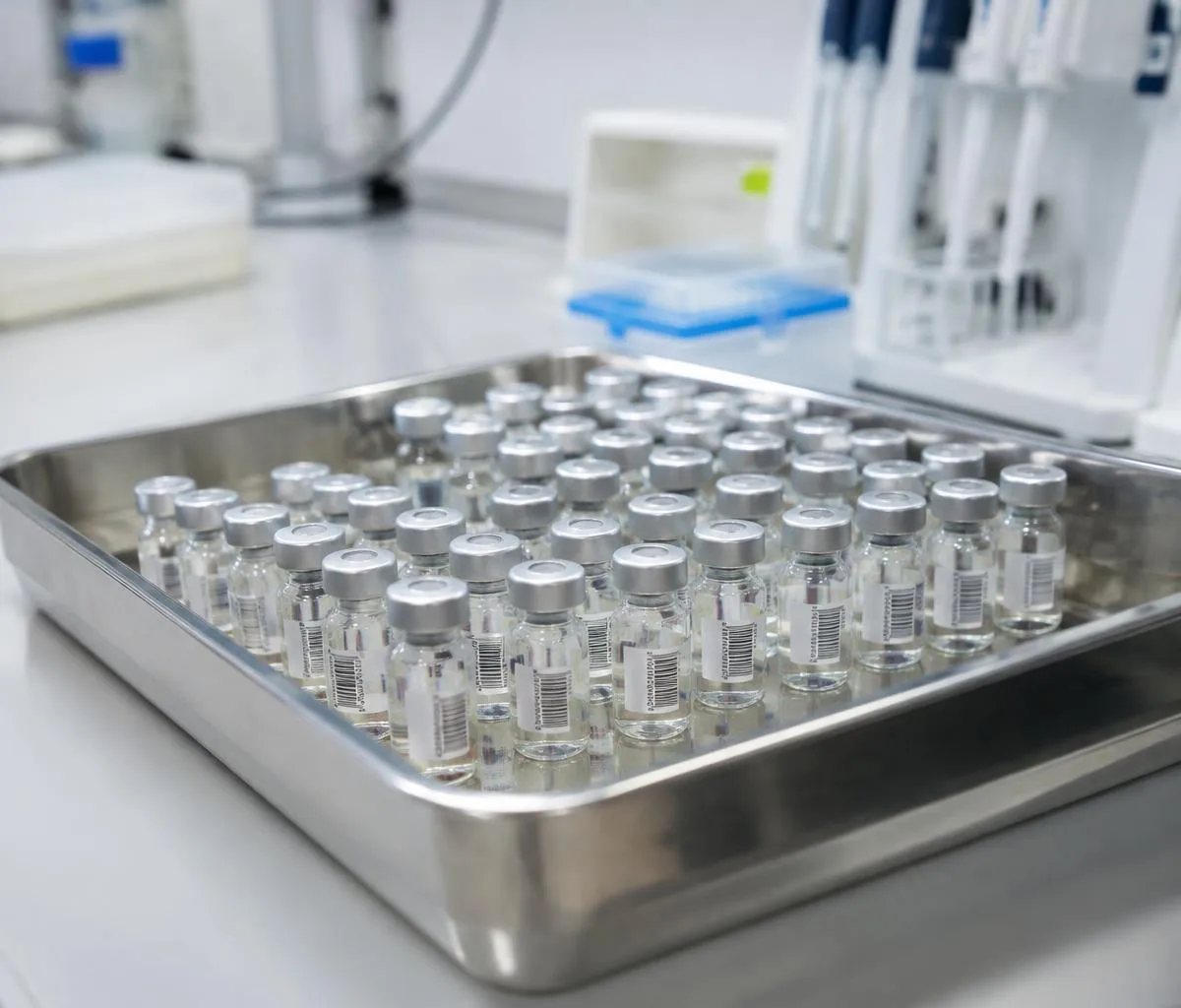
Botanical supplements present an inherent paradox for the British consumer. While botanical extracts such as ashwagandha, turmeric, and milk thistle are sought for their physiological utility, plants do not differentiate between beneficial nutrients and heavy metals present in the soil. Because herbs are biological accumulators, geological conditions at the cultivation site dictate the elemental burden of the finished capsule. Verifying purity requires looking past marketing declarations to examine the chemical audits that document what entered the supply chain.
Sources of Soil Contamination in Natural Herbal Supply Chains
Contamination in botanical supply chains rarely stems from deliberate adulteration; rather, it reflects environmental deposition and agricultural history. Roots and rhizomes absorb cadmium, lead, arsenic, and mercury directly from irrigation water and surrounding earth. In regions with legacy industrial activity or persistent phosphate fertiliser application, soils carry elevated cadmium concentrations that migrate into root tissues. Furthermore, atmospheric particulate matter settles upon foliage, embedding metals into leaves and flowers. Processing compounds this issue: dehydrating leaves or concentrating roots into extracts multiplies elemental densities by factors of four, six, or eight relative to raw biomass, turning trace residues into measurable hazards.
UK and European Regulatory Ceilings for Contaminants
To address these risks, Great Britain enforces chemical limits through retained European Commission Regulation (EC) No 1881/2006. These statutory ceilings establish maximum tolerable residues across finished supplements. For lead, the standard legal ceiling is 3.0 mg/kg of finished product. Cadmium is restricted to 1.0 mg/kg for general supplements, with certain botanical categories permitted up to 1.5 mg/kg, while mercury is capped at 0.10 mg/kg. Inorganic arsenic is evaluated against an accepted domestic benchmark of 1.0 mg/kg. Formulations exceeding these thresholds cannot legally be sold, though domestic enforcement relies largely upon downstream market surveillance rather than border screening.
Interpreting a Manufacturer Certificate of Analysis
Assessing whether a supplement complies with these limits requires examining the manufacturer Certificate of Analysis, or CoA. A credible document originates from an independent, ISO 17025-accredited laboratory rather than an internal marketing office. When reviewing this documentation, buyers should carry out three specific checks:
- Confirm the methodology cites Inductively Coupled Plasma Mass Spectrometry (ICP-MS), which measures trace elements at parts-per-billion resolution.
- Verify that the Limit of Quantification (LOQ) falls well below statutory ceilings, ideally at 0.01 mg/kg, rather than accepting an ambiguous "pass" remark.
- Cross-reference the batch code on the physical container with the identifier on the laboratory report to establish provenance.
Why Batch-Specific Testing is Non-Negotiable for Safety
A solitary historical certificate provides little assurance for subsequent production runs. Soil composition varies across adjacent fields, and rainfall patterns alter heavy metal uptake between harvests. A batch harvested in May may test comfortably below legal ceilings, whereas an autumn harvest from neighbouring acreage might absorb runoff from industrial drainage. For this reason, periodic or multi-year representative testing is inadequate. Rigorous consumer safety requires a discrete, full-panel chemical assay for every unique lot before encapsulation.
Before starting high-potency botanical supplements, consumers should request batch-matched third-party testing directly from the brand. If a vendor cannot supply analytical verification confirming compliance with British legal ceilings, select another product. Individuals with pre-existing renal impairments, pregnant women, or those taking multiple botanical extracts daily should consult a qualified medical herbalist or registered medical practitioner to assess cumulative elemental exposure across their total diet.
Seeking a dependable Wellbeing formulation? Consider our closely reviewed Wellbeing selections.